
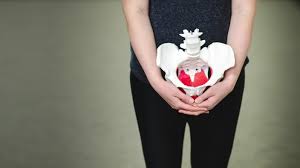
Pelvic floor physiotherapy focuses on a group of muscles that many people rarely think about until something feels wrong. These muscles sit at the base of the pelvis and support important organs such as the bladder, bowel, and uterus, or prostate. They also play a key role in posture, core strength, and daily movement.
When the pelvic floor is not working properly, it can lead to discomfort, leakage, pain, or a feeling of weakness or heaviness. Pelvic floor physiotherapy helps restore balance, strength, and control, enabling the body to function more comfortably and confidently.
The pelvic floor muscles act like a supportive sling. They help control bladder and bowel function, support organs, and assist with stability during movement. These muscles also work with the diaphragm and deep abdominal muscles to support the spine. When the pelvic floor is strong and coordinated, it responds automatically. When it is weak, tight, or uncoordinated, problems can appear. These issues can affect people of all ages and genders, not just those who have recently given birth.
Many people associate pelvic floor therapy with pregnancy or postpartum recovery. While it is very helpful during those stages, it is also used for many other concerns. People may seek pelvic floor physiotherapy for bladder leakage, bowel control issues, pelvic pain, painful intercourse, lower back pain, or a feeling of pressure in the pelvic area. Athletes may experience symptoms related to impact or core weakness. Men may seek treatment after prostate surgery or for chronic pelvic pain. These symptoms are common but not normal. Treatment can help.
A pelvic floor physiotherapy assessment begins with a detailed conversation. The therapist asks about symptoms, medical history, movement patterns, and daily activities. This helps build a clear picture of what is happening. With consent, the assessment may include an internal or external examination to evaluate muscle strength, coordination, and tension. This is always explained clearly and done at the patient’s comfort level. The goal is to understand how the muscles are functioning, not to cause discomfort.
Pelvic floor physiotherapy is not a one-size-fits-all approach. Treatment plans are individualized based on assessment findings and the person’s goals. Some people need strengthening exercises. Others need relaxation and release techniques. Many need a combination of both. Treatment may include guided exercises, breathing strategies, posture correction, and manual therapy. Education is a major part of care. Understanding how to activate or relax the pelvic floor during daily activities makes a meaningful difference.
A common misconception is that pelvic floor issues always mean weakness. In reality, some people have pelvic floor muscles that are too tight. This tension can cause pain, difficulty emptying the bladder or bowel, and discomfort during movement. Pelvic floor physiotherapy addresses strength and relaxation. Learning how to let go of tension is just as important as learning how to build support.
The pelvic floor does not work alone. It works closely with breathing and deep core muscles. Poor breathing patterns or weak core coordination can place extra strain on the pelvic floor. Physiotherapy helps retrain these systems to work together. Simple changes in how you breathe, lift, move, or brace can significantly reduce symptoms and improve control.
Pelvic floor symptoms often affect confidence and emotional well-being. As symptoms improve, confidence often returns. People feel more in control of their bodies and more comfortable in daily life. This emotional relief is one of the most powerful benefits of treatment.
Understanding what is happening in your body is the first step toward change. Pelvic floor physiotherapy provides tools, knowledge, and guidance to help people move and live with more comfort. At Highland Physio and Rehab, we provide pelvic floor physiotherapy in a respectful and supportive environment. We focus on personalized care to help you regain confidence, strength, and control so you can return to daily life feeling supported and empowered.
