Acupuncture Therapy in Kitchener: Why a Proper Pain Assessment Matters
October 21, 2026
Pain is usually what brings someone into a clinic. A shoulder aches when they reach overhead. Their lower back feels stiff after sitting. Neck tension makes it uncomfortable to check the blind spot while driving. The location matters, but it does not always tell the whole story.
People searching online for “acupuncture therapy Kitchener” are often looking for help with symptoms that have started to interfere with daily life. A proper assessment should come before treatment. It helps the practitioner understand the symptoms, health history, daily demands and goals that make each person’s situation different.
Pain And Its Contributing Factors
Discomfort may be influenced by an irritated joint or tissue, repetitive work, a recent injury, changes in activity, poor sleep or muscle tension. Sometimes several factors overlap. Pain can also change how a person moves, leading them to protect one area and rely more heavily on another.
That does not mean every ache has a hidden root cause waiting to be uncovered. It means the painful spot should be considered alongside the movements and situations that make symptoms better or worse. A clinician can use that information to decide whether acupuncture is appropriate and whether another assessment or form of care is needed.
What An Assessment May Includee
An initial visit often begins with questions. When did the pain start? Was there an injury? Which activities aggravate it? What has already been tried? The practitioner also needs to know about medical conditions, medications and any changes in symptoms.
Depending on the concern, the assessment may include posture, movement, strength or other physical tests. These findings help shape a treatment plan and provide a starting point for measuring progress. If symptoms are unexplained, worsening or accompanied by concerning changes, acupuncture should not delay appropriate medical care.
How Acupuncture May Fit Into Care
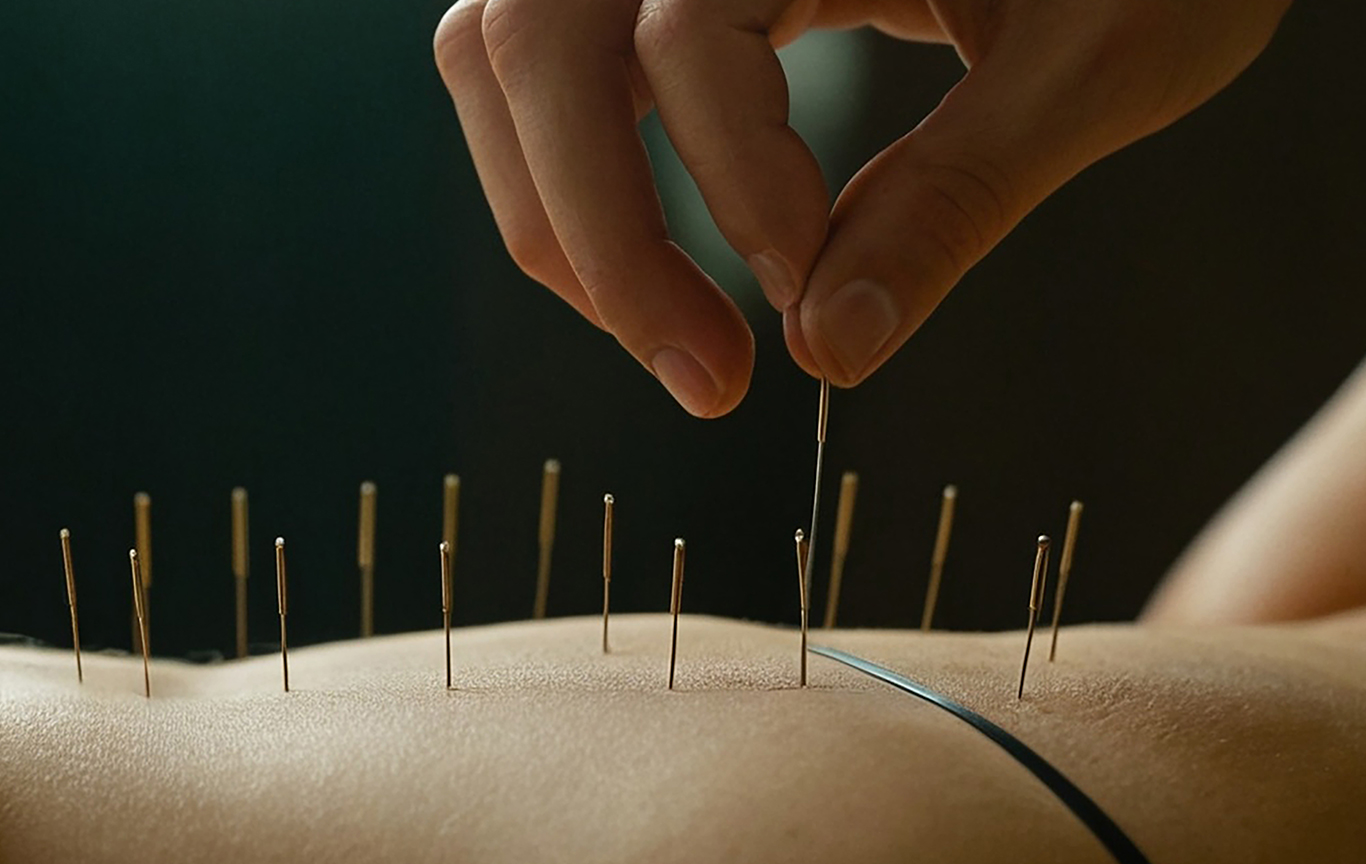
Acupuncture uses fine needles placed at selected points on the body. Research suggests it may help with some pain conditions, including back or neck pain, knee osteoarthritis pain and certain headaches. Results vary, and the way acupuncture affects pain is not fully understood.
At a multidisciplinary clinic, acupuncture therapy in Kitchener may be used on its own or alongside physiotherapy, exercise and other treatment approaches. The combination should reflect the assessment rather than a standard plan given to everyone with pain in the same area.
What To Expect During Treatment
Before the needles are placed, the practitioner should explain the treatment and answer questions. Acupuncture needles are very thin, and people describe a range of sensations, from little or no discomfort to brief pressure or aching at a needle site.
Share relevant medical information before treatment, including pregnancy, medications and any condition that affects bleeding, healing or infection risk. Acupuncture is generally considered safe when it is provided properly with sterile, single-use needles, but it still needs to be delivered by a qualified practitioner.
Progress Is Often Practical
Improvement does not always arrive as one dramatic change. It may show up as turning the head more comfortably, sleeping with fewer interruptions, walking farther or completing a workday with less irritation. These functional changes matter because they connect treatment to daily life.
Tracking a few specific goals makes it easier to judge whether the plan is helping. Pain scores can be useful, but they are only one measure. Movement, sleep, confidence and tolerance for normal activities may provide a fuller picture.
Stress And Muscle Tension
Stress does not make pain imaginary. It can affect sleep, breathing, muscle tension and how strongly the nervous system responds to discomfort. Some people notice that their jaw, shoulders or neck tighten during demanding periods, while others become less active because they are tired or worried about making the pain worse.
Treatment may help reduce symptoms, but recovery often also involves pacing activity, improving sleep habits and gradually rebuilding comfortable movement. The useful question is not whether pain is physical or stress related. It is which factors can be changed safely.
A Plan Built Around The Person
Highland Physio and Rehab provides acupuncture therapy in Kitchener within a multidisciplinary clinic. Treatment plans are based on an individual assessment and may be combined with physiotherapy or other services when appropriate.
If pain is limiting your routine, book an assessment to discuss your symptoms, goals and whether acupuncture belongs in your care plan.